
Air duct cleaning in Hurricane, UT
Connect with an independent local provider for air duct cleaning in Hurricane.
Air Duct Cleaning
TownHurricane, UT
CountyWashington
ZIP84737
Duct concerns in Hurricane’s desert homes
Sand Hollow State Park sits just southeast of Hurricane, where hot, dry desert conditions and wind can carry fine dust through the area. Air duct cleaning in Hurricane can be relevant when dust collects at registers, returns, and inside forced-air ductwork. The city lies in Washington County near the Virgin River, with established homes around downtown and newer development spreading across the Hurricane Valley. Homes may use furnaces, heat pumps, central air conditioning, or a combination of heating and cooling equipment.
Summer heat and desert dust
Hurricane summers are hot, and the area is generally dry rather than humid. Seasonal monsoon moisture can occur, but windblown dust and pollen are more routine concerns for filters, return grilles, and indoor air quality.
Attics, crawl spaces, and basements
Duct runs may pass through hot attics, crawl spaces, or basements depending on the home’s layout. These spaces can make access, insulation condition, disconnected joints, and visible dust buildup part of a duct inspection.
Water, drainage, and wash conditions
The Virgin River, local washes, and heavy-rain runoff make drainage a practical concern in parts of the Hurricane Valley. After a water event, a provider can inspect accessible ductwork for moisture, damaged insulation, or conditions that warrant further evaluation for mold in air ducts.
Storms and electrical interruptions
Thunderstorms can bring wind, lightning, and brief power interruptions to southern Utah. Once power is restored, homeowners can check the thermostat, filter, and air handler operation before arranging service for an airflow concern.
How air duct cleaning is approached in Hurricane homes
Many Hurricane houses have a central air handler connected to supply trunks, branch ducts, return pathways, registers, and grilles. A local provider may begin with a duct inspection to identify accessible dust buildup, construction debris, pet dander, or signs of damaged duct connections. The layout matters because ducts routed through an attic can have different access points from ducts below a floor. The technician who comes out can explain what portions are accessible and what work is appropriate.
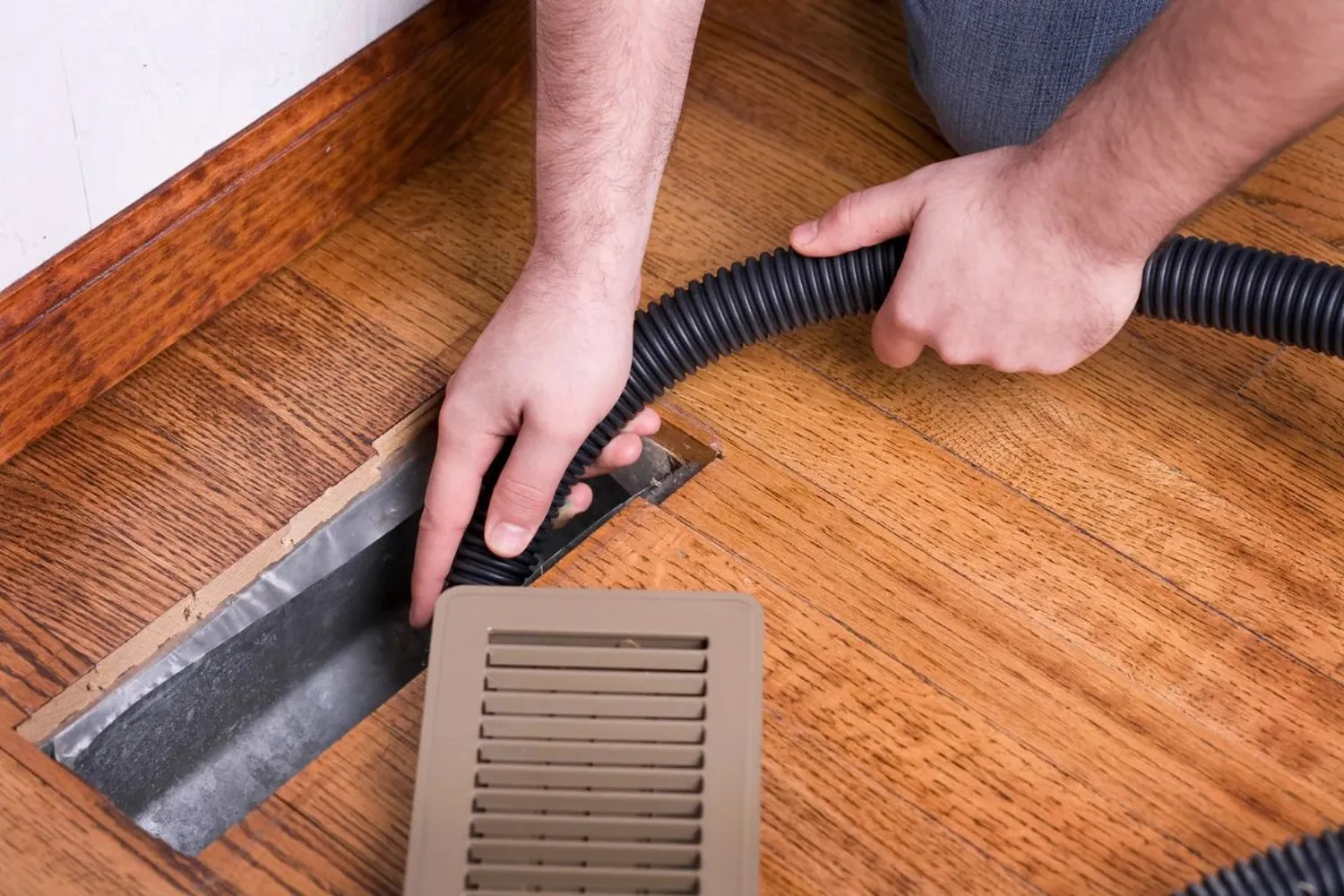
House air duct cleaning commonly focuses on the supply and return sides of a forced-air system, not simply the visible vents. A provider may use contained collection equipment and agitation tools to loosen material from reachable duct surfaces while protecting the living area. Air vent cleaning can include removable grilles and registers when their condition calls for it. If there are odors, moisture staining, or suspected mold in air ducts, the provider can describe what is visible and whether additional assessment is needed.
HVAC duct cleaning does not replace routine filter changes or correction of mechanical faults. Restricted airflow can also relate to a dirty filter, a blower issue, a closed register, duct leakage, or equipment settings. Heating and cooling duct cleaning may be discussed along with debris removal and steps that can limit future accumulation. For a home with pets, pollen exposure, or concerns about dust mites and allergens, the provider can outline the condition found and the scope quoted.
Air duct cleaning work in Hurricane
| Part | What it does | Signs it is failing |
|---|---|---|
| Supply registers | These covers deliver conditioned air into each room. | Dust buildup, loose covers, restricted airflow, or debris at the opening. |
| Return grilles | These openings draw indoor air back to the HVAC equipment. | Heavy dust, blocked airflow, or a dirty filter nearby. |
| Duct runs | These passages carry supply and return air through the building. | Visible debris, disconnected sections, damage, or air loss at accessible joints. |
| Air filter | The filter captures particles before air moves through HVAC equipment. | Visible loading, reduced airflow, or a replacement interval indicated by the equipment instructions. |
| Blower compartment | This section moves air through the duct system. | Dust accumulation or airflow concerns that need equipment inspection. |
Weather and airflow through the year
Hurricane’s long cooling season places regular demand on central air conditioning, while cooler winter nights still bring heating use. Wind can move desert dust around exterior doors, open windows, and outdoor equipment areas. Summer monsoon storms can add short periods of moisture and runoff concerns, especially near washes and low spots. Keeping filters in usable condition and watching for new odors or reduced airflow helps homeowners notice changes between service visits.
Where we work in Hurricane
Also nearby: La Verkin, Washington, St. George, Ivins, Toquerville, Virgin.
Historic downtown Hurricane
Older homes near the original town center may have altered duct routes or additions that affect access to runs and returns.
Dixie Springs
Homes in this area may have attic duct runs that are exposed to substantial summer heat.
Sky Ridge Homes
Newer residential construction can still collect drywall dust or other debris after building or remodeling work.
Sands Hollow area
Properties near Sand Hollow can be exposed to open desert wind and fine dust.
Hurricane Fields
Homes in this residential area can have differing duct layouts based on age, floor plan, and later improvements.
Hurricane air duct system questions
Which Hurricane ZIP code and sections, from historic downtown to Dixie Springs and the Sand Hollow area, can you connect callers with providers for?
We connect callers in Hurricane, including ZIP code 84737, with independent local providers. When you call, describe the section of town, the home type, and any access details so the provider can determine whether the job can be quoted.
How can a duct visit differ in Hurricane’s older homes near historic downtown?
Older homes may have additions, remodeled utility spaces, or duct runs that are harder to trace than those in a newer plan. The provider can inspect accessible supply and return paths, identify visible issues, and explain whether vent cleaning alone or a broader scope is practical.
What should owners of newer Hurricane subdivisions, townhouses, or condos know before arranging service?
Shared walls, equipment closets, HOA rules, and limited attic access can affect where a provider can work. The caller should confirm which equipment serves the unit and ask about any building access requirements before an appointment is set.
What can Hurricane’s hottest weather in July do to duct and air-handling equipment?
Heavy cooling use can make a clogged filter, weak airflow, or a duct leak more noticeable. Heat alone does not establish that ducts need cleaning, so the provider should inspect the accessible system and separate duct conditions from mechanical or thermostat problems.
When does an aging forced-air setup in a Hurricane home call for cleaning, repair, or replacement discussions?
Cleaning may address reachable dust and debris, but it does not repair crushed flex duct, failed equipment parts, or deteriorated insulation. The provider can distinguish visible duct conditions from equipment issues and provide a quote for any work they offer; replacement decisions depend on the condition and design of the system.
Need air duct cleaning in Hurricane?
Tell us your town and what is happening.