
Air duct cleaning in Cedar Valley, UT
Find an independent local provider for duct concerns in Cedar Valley.
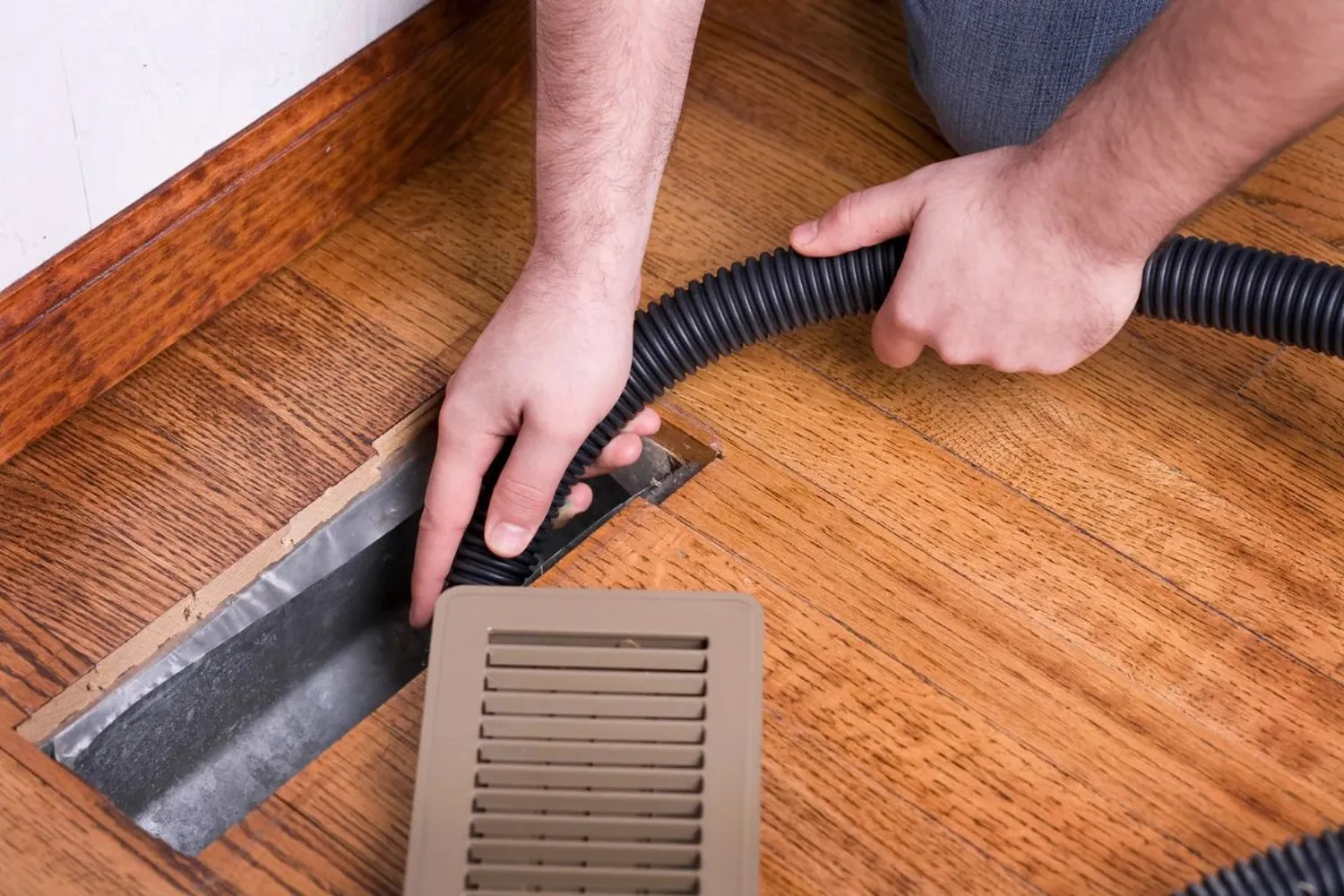
Air Duct Cleaning
TownCedar Valley, UT
CountyUtah
Duct care for Cedar Valley’s spread-out and growing communities
Cedar Valley has grown from a largely rural part of western Utah County into an area with expanding residential development around Eagle Mountain, Cedar Fort, and Fairfield. For air duct cleaning, Cedar Valley residents can request a connection with an independent local provider. The valley lies west of Utah Lake and is linked to the rest of the county by routes including State Route 73 and State Route 68. Newer neighborhoods, acreage properties, and construction activity can create very different HVAC access conditions from one property to another.
Roads and dispersed development
Homes in Cedar Valley are spread across broad residential areas rather than a compact street grid. State Route 73 and local collector roads are important travel routes, and distance between properties can affect provider scheduling and access planning. Callers should give the property address and any gate, private-road, or parking information.
Additions and renovations
A house addition may join older furnace ducts to newer sections or require rerouted supply lines. Finished basements, converted garages, and enclosed patios can change the route of ductwork behind ceilings and walls. A technician can identify accessible portions and note where prior work may have changed the original layout.
Apartments, rentals, and attached homes
Cedar Valley’s newer growth includes rental and multi-family housing as well as detached homes. Mechanical rooms, utility closets, and shared-building rules can affect entry and scheduling. Tenants should coordinate access with the owner or property manager when approval is required.
Elevation, wind, and exposure
The open valley is exposed to wind, and homes can experience windblown dust around exterior doors, windows, and outdoor equipment. Properties on open lots may have less tree cover than older urban neighborhoods. Filters, return-air openings, and outdoor-unit areas may need routine attention according to the equipment manufacturer’s instructions.
How cleaning air ducts works in Cedar Valley properties
The provider first reviews the HVAC system configuration and asks where the airflow concern is most noticeable. Many homes use a forced-air furnace with central air conditioning, while ductwork may pass through attics, basements, crawl spaces, or floor cavities. Supply ducts deliver conditioned air, and return air ducts bring it back to the equipment. Identifying the air vents, registers, grilles, and main ductwork helps define the accessible work area.
Ductwork cleaning focuses on removable dust and debris within reachable sections. Technicians may use contained vacuum equipment, agitation tools, and compressed air methods suited to the ducts they can access. Vent cleaning at room openings is only one part of the path; furnace ducts and return sections can also hold material. If an inspection suggests a disconnected run, damaged insulation, or mechanical fault, that is separate from cleaning.
Clean air ducts depend on more than one appointment. A clean filter, closed and unobstructed registers, and ordinary care around renovation dust can support airflow between visits. Duct sanitizing may be discussed when the provider identifies a specific condition and explains the proposed product or method. Cleaning air ducts does not replace repair of the HVAC system, treatment of moisture, or correction of construction defects.
Air duct cleaning work in Cedar Valley
| Part | What it does | Signs it is failing |
|---|---|---|
| Supply registers | These covers deliver conditioned air into each room. | Dust buildup, loose covers, restricted airflow, or debris at the opening. |
| Return grilles | These openings draw indoor air back to the HVAC equipment. | Heavy dust, blocked airflow, or a dirty filter nearby. |
| Duct runs | These passages carry supply and return air through the building. | Visible debris, disconnected sections, damage, or air loss at accessible joints. |
| Air filter | The filter captures particles before air moves through HVAC equipment. | Visible loading, reduced airflow, or a replacement interval indicated by the equipment instructions. |
| Blower compartment | This section moves air through the duct system. | Dust accumulation or airflow concerns that need equipment inspection. |
Wind and seasonal exposure in the valley
Cedar Valley has a high-desert climate with warm summers, cold winters, and substantial temperature swings. Wind can move dust across open ground, particularly where nearby development or unpaved areas are disturbed. Winter heating seasons put more use on furnaces and their filter systems. Homeowners can check the filter schedule recommended for their equipment and keep exterior intake or equipment areas clear where applicable.
Where we work in Cedar Valley
Also nearby: Eagle Mountain, Saratoga Springs, Lehi, Herriman, Tooele.
Eagle Mountain
The city contains extensive newer residential development where duct access often depends on the home’s floor plan and attic design.
Cedar Fort
This small community includes rural and residential properties where long driveways or gates may need to be noted before a visit.
Fairfield
Properties near this historic community may have larger lots and more exposed conditions than denser parts of the valley.
Five Mile Pass area
Homes near the southern valley routes can be exposed to windblown dust and changing development activity.
Cedar Valley air duct system questions
What can a strange smell or rattling sound from a Cedar Valley furnace vent usually indicate?
A smell or noise can come from several places, including a dirty filter, loose register, blower compartment, duct movement, or an issue with the furnace itself. Dust in ducts is not the only possible explanation. If there is a burning odor, smoke, or unusual electrical smell, turn the system off and seek appropriate HVAC or electrical evaluation.
Why might one room in an Eagle Mountain-area Cedar Valley house stay uncomfortable while the rest of the floor feels normal?
Closed registers, furniture blocking grilles, a dirty filter, duct leakage, undersized runs, or thermostat placement can all affect room-to-room comfort. A provider can inspect accessible supply and return paths during an air vent cleaning visit. Persistent balancing or equipment-capacity problems may require HVAC diagnosis beyond duct cleaning.
What should a Cedar Valley homeowner check before requesting ductwork cleaning?
Check the filter condition, thermostat mode and temperature setting, electrical breaker status, and whether the outdoor unit is operating during cooling season. Do not remove sealed equipment panels or work around electrical components. Share what you observed with the provider, including whether the issue affects heating, cooling, or both.
Do additions in Cedar Valley require permits or a local building inspection before ducts are altered?
Permit and inspection requirements depend on the scope of construction and the jurisdiction where the property is located. Cleaning accessible ducts generally differs from installing, relocating, or replacing ductwork. For alteration work, contact the relevant local building department and ask the provider what work it proposes before proceeding.
How should a Cedar Valley property owner prepare for attic, crawl-space, steep-lot, or limited-parking access?
Tell the provider in advance where the furnace or air handler is located and whether access is through a tight hatch, basement, attic, or crawl space. Clear a path to registers and mechanical equipment, and describe driveway, street-parking, gate, or slope conditions. This lets the independent provider assess whether the property can be reached with the needed equipment.
Need air duct cleaning in Cedar Valley?
Tell us your town and what is happening.